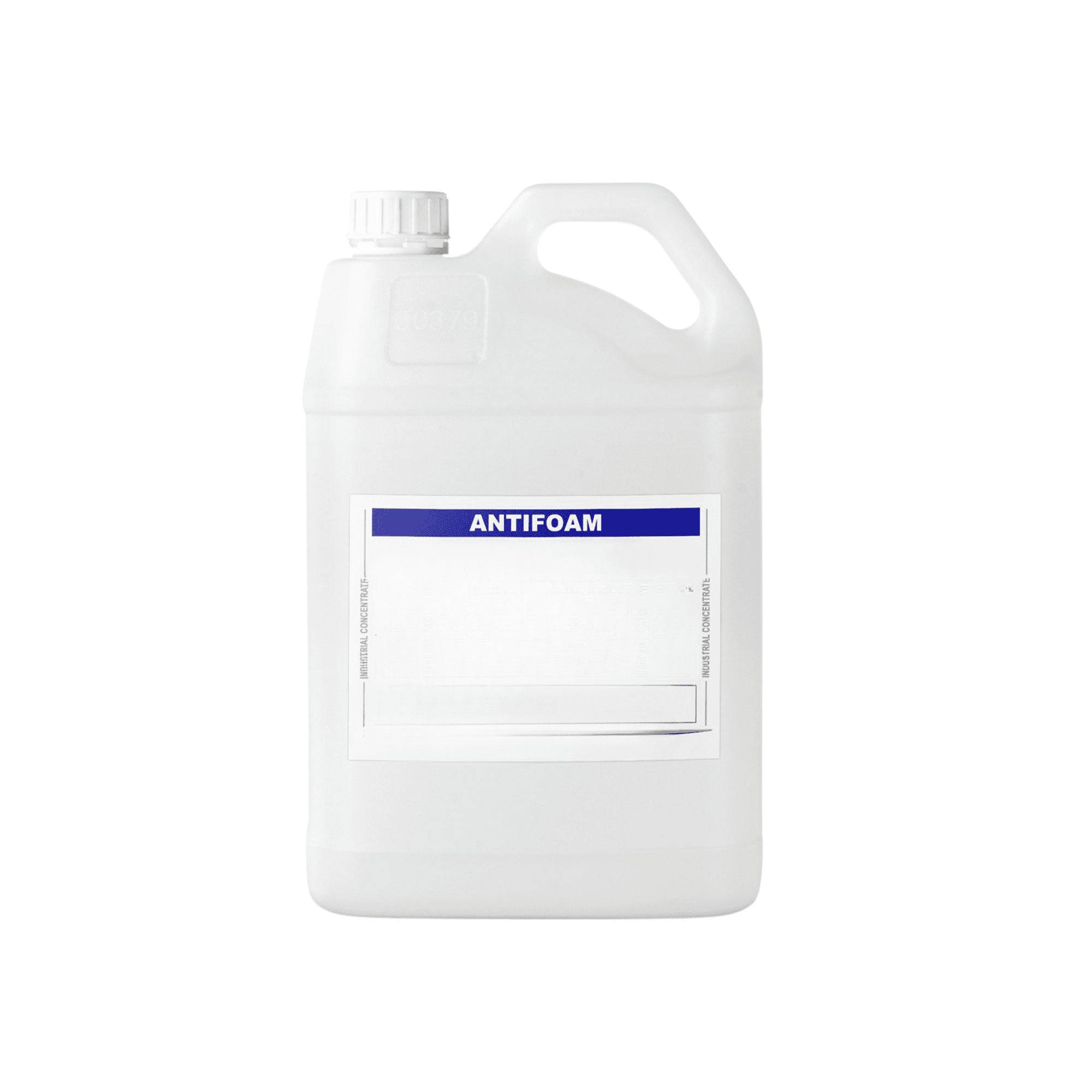
Antifoam is a chemical designed to control and reduce foam formation during the water treatment process. Excessive foam not only slows down the process but can also damage equipment and reduce system efficiency.
- Details
- Benefits
- Features
- Applications
- Part & Acc
- Literature
Silicone Based Antifoam
Silicone-based antifoam is the most widely used type due to its effectiveness under various conditions, including high temperatures and extreme pressure systems. Based on active ingredients such as Polydimethylsiloxane (PDMS), this material is highly effective in reducing foam with a low dosage.
Oil Based Antifoam
This type uses a blend of mineral oil and surfactants to control heavy foam. The Mineral Oil Blend used in its formula delivers fast results by breaking down foam formed due to high agitation. Oil-based antifoam is ideal for intensive applications, such as systems with turbulent liquid flow or heavy industrial processes, including oil refineries and chemical manufacturing.
Water Based Antifoam
Water-based antifoam is more environmentally friendly and suitable for applications requiring safe-to-use chemicals. Made with base materials such as Polyether, this type works well in systems with a focus on sustainability. Its main advantage is its ability to control foam without leaving harmful residues, making it an ideal choice for domestic wastewater treatment and the food industry.
Powder Antifoam
Specifically designed for dry or semi-dry conditions, powder antifoam, such as those made from Hydrophobic Silica, is used in environments where liquid antifoam is not feasible. This type is often applied in the dry food processing industry, chemical powder treatment, or other applications where moisture must be minimized.
Extends equipment lifespan
Reduces waste and inefficiency
Improves final product quality
Optimizes process efficiency
lorem ipsum
lorem ipsum
lorem ipsum
lorem ipsum