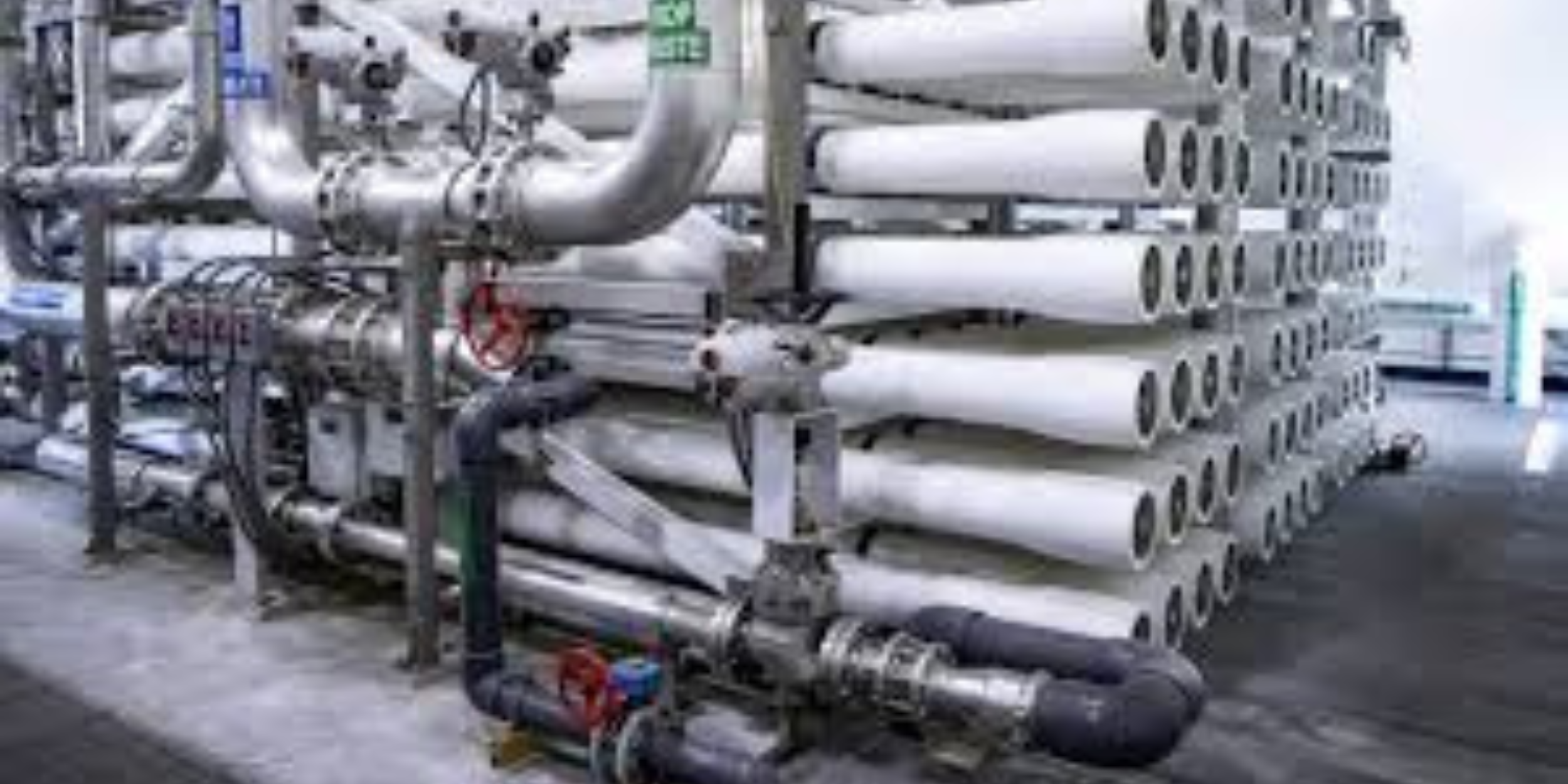
Nanofiltration (NF) is a membrane liquid-separation technology sharing many characteristics with reverse osmosis (RO). Unlike RO, which has high rejection of virtually all dissolved solutes, NF provides high rejection of multivalent ions, such as calcium, and low rejection of monovalent ions, such as chloride.
- Details
- Benefits
- Features
- Applications
- Part & Acc
- Literature
Membrane Type | Nanofiltration Thin-Film Composite |
Maximum Operating Temperature | 113°F (45°C) |
Maximum Operating Pressure | 600 psi (41 bar) |
Maximum Pressure Drop(per element) | 15 psi (1.0 bar) |
Maximum Pressure Drop(per pressure vessel min. 4 elements) | 50 psi (3.5 bar) |
pH Range (Continuous Operation) | 3 – 10 |
pH Range (Short-Term Cleaning 30 min) | 1 – 12 |
Maximum Feed Flow | 75 gpm (17 m3 /h) |
Maximum Feed Silt Density Index (SDI) | SDI 5 |
Free Chlorine Tolerance | < 0.1 ppm |
- Remove up to 99 percent of impurities from water.
- Reduce operating costs.
- Lower energy usage.
- Provide longer life due to antifouling and high cleanability.
- Pressure: With increasing effective feed pressure, the permeate TDS will decrease while the permeate flux will increase.
- Temperature: If the temperature increases while all other parameters (pressure, recovery, and feedwater salt concentration) are constant, the permeate flux and the salt passage will increase.
- Recovery: Recovery is the ratio of permeate flow to feed flow. In the case of increasing recovery, the permeate flux will decrease and stop if the salt concentration reaches a value where the osmotic pressure of the concentrate is as high as the applied feed pressure. The salt rejection will decrease with increasing recovery.
- Feedwater salt concentration: With increasing feedwater salt concentration, the permeate flux will decrease while salt passage will increase.
Other factors that may affect the performance of an NF system include:
- Maintenance and operation of the plant.
- Pretreatment design.
FilmTec™ NF elements can be used to purify public drinking water in areas where the high level of sodium rejection possible with reverse osmosis (RO)membranes is not needed, but where other salts such as calcium and magnesium must be reduced. Compared to lime softening and sodium chloride (NaCL) zeolite softening technologies, nanofiltration membrane softening is a less-expensive alternative. The FilmTec™ NF270 nanofiltration membrane, for example, offers low salt rejection, low energy consumption, and stable performance after repetitive cleaning. These features make it a prime choice for contaminated surface waters.
lorem ipsum 4